
Mildew on patio furniture: why it keeps coming back
The fabric can look clean and the mildew smell can still come back within a week. That is because the fabric was never the whole problem.
September 25, 2026 · 4 min read · Furniture
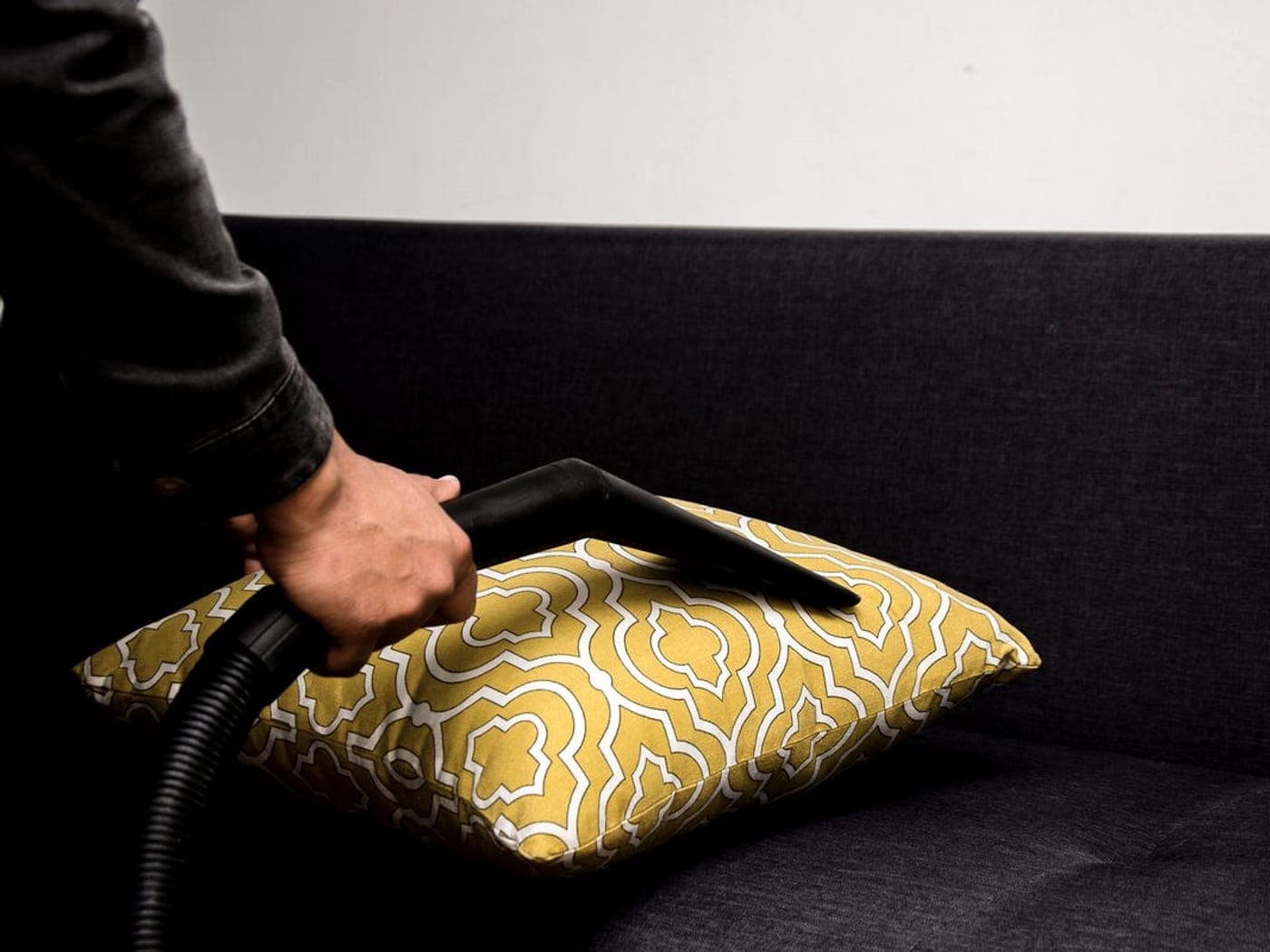
Fabric holds moisture differently outdoors
Even fabric marketed as water resistant is woven, and a woven surface traps moisture in the weave the way a car's carpet does, just outdoors and exposed to far more of it. What sits on top of a cushion during a rainy week does not stay on top. It works into the weave and, on most cushions, straight through into the foam core underneath.
Why it always seems to come back
Mildew is a fungus, and its spores are already present in outdoor air almost everywhere in the Pacific Northwest. Cleaning the visible mildew off the surface of a cushion does not remove those spores from the environment. It only removes what had already grown. Given the same sustained dampness again, new growth starts from spores that were never gone in the first place.
That is why a quick wipe-down of the fabric surface often looks like it worked for a week or two, then the same gray or black spotting reappears in the same places.
The foam core problem
Most outdoor cushions look completely fine on the fabric while the foam underneath is still holding water from a storm two weeks ago. Foam does not release moisture quickly, especially inside a cushion cover that traps humidity against it. That trapped dampness keeps feeding surface mold and mildew from underneath even after the visible fabric has been cleaned and looks dry.
This is the single biggest reason mildew on patio furniture feels impossible to get rid of permanently. The visible symptom and the actual source of moisture are not in the same place.
Everyday habits that make it worse
A few common patterns keep the cycle going without anyone realizing it.
- Stacking cushions while even slightly damp, which traps moisture between layers with no airflow at all
- Covering outdoor furniture with a tarp or cover while the cushions underneath are still wet from the last rain
- Bringing cushions in for winter storage without letting them fully dry first
- Leaving cushions in a shaded, low-airflow corner of a patio where they never fully dry between rains
Sun exposure changes the picture too
A patio in full sun tends to dry out between rains fast enough to slow mold growth considerably, even in a genuinely wet region. A covered porch or a shaded patio under trees does the opposite: it blocks the sun that would otherwise dry the cushions, while doing nothing to stop the rain that blows in at an angle or the general ambient damp of the season. That combination, shelter from drying without shelter from moisture, is exactly why covered outdoor furniture often has a worse mildew problem than furniture sitting in the open.
If your patio is shaded or covered, that alone is a reason to lean toward the more frequent end of a cleaning routine rather than the less frequent one.
Fabric type changes how fast it takes hold
Solution-dyed outdoor fabrics, the denser, tightly woven kind sold specifically for patio use, resist water absorption better than a lighter polyester blend and generally take longer to develop mildew under the same conditions. That is a real difference, but it is a difference in timeline, not immunity. Given enough sustained dampness, even the best outdoor fabric develops the same problem eventually, just on a longer clock.
This matters mainly for expectations. A premium outdoor fabric buys you more margin for error on drying and storage, but it does not remove the need to actually manage moisture the way a genuinely waterproof material would.
What actual removal requires
Real removal means extraction that reaches past the fabric surface and pulls moisture and growth out of the foam underneath, not just a wash on top. That is the same hot-water extraction principle we use indoors, applied with enough attention to actually dry the foam core rather than just refreshing the outer fabric.
After treatment, full drying before the cushions go back into regular use or get covered again is what actually prevents a fast return. Putting a treated cushion straight back under a cover while still damp undoes most of the benefit.
When a cushion is beyond saving
Foam that has held moisture for an extended period, over multiple seasons without ever drying fully, can develop a musty smell embedded deep enough that even thorough extraction only reduces it rather than eliminating it completely. We will tell you honestly when a cushion has reached that point rather than treating it repeatedly with diminishing results.
Cushion covers that unzip are worth the extra step
Furniture with a removable, zippered cushion cover is meaningfully easier to keep ahead of mildew than furniture with a fixed cover sewn shut around the foam. A removable cover can be pulled and laundered on its own faster drying cycle while the foam gets a chance to air out separately, rather than both staying sealed together in one damp unit after a clean. If you are shopping for new outdoor furniture, this is a genuinely practical feature to look for, not just a convenience.
Frames deal with a related but different problem
Metal frames can corrode where moisture sits against a joint or a welded seam, and wicker or rattan can develop its own mildew in the weave itself, separate from whatever is happening on the cushions. That is a frame and material issue rather than an upholstery one, and it calls for different care, drying the frame itself and keeping metal joints from sitting in standing water, rather than fabric extraction. Worth knowing about even though it is outside what cushion cleaning addresses.
A realistic seasonal routine here
Given how much of the year is genuinely damp in this region, three points in the year matter more than the rest: a clean before covering furniture for winter, since anything sealed in wet is guaranteed to grow mildew by spring, a clean at the start of the outdoor season to remove whatever developed over winter regardless of covering, and a spot check after any unusually wet stretch during the season itself.