
Single stage or multi stage: which correction your car needs
One removes most of the haze in a day. The other chases the last ten percent for two more. Only one of them is worth it on a daily driver.
September 3, 2026 · 2 min read · Paint
What a stage means
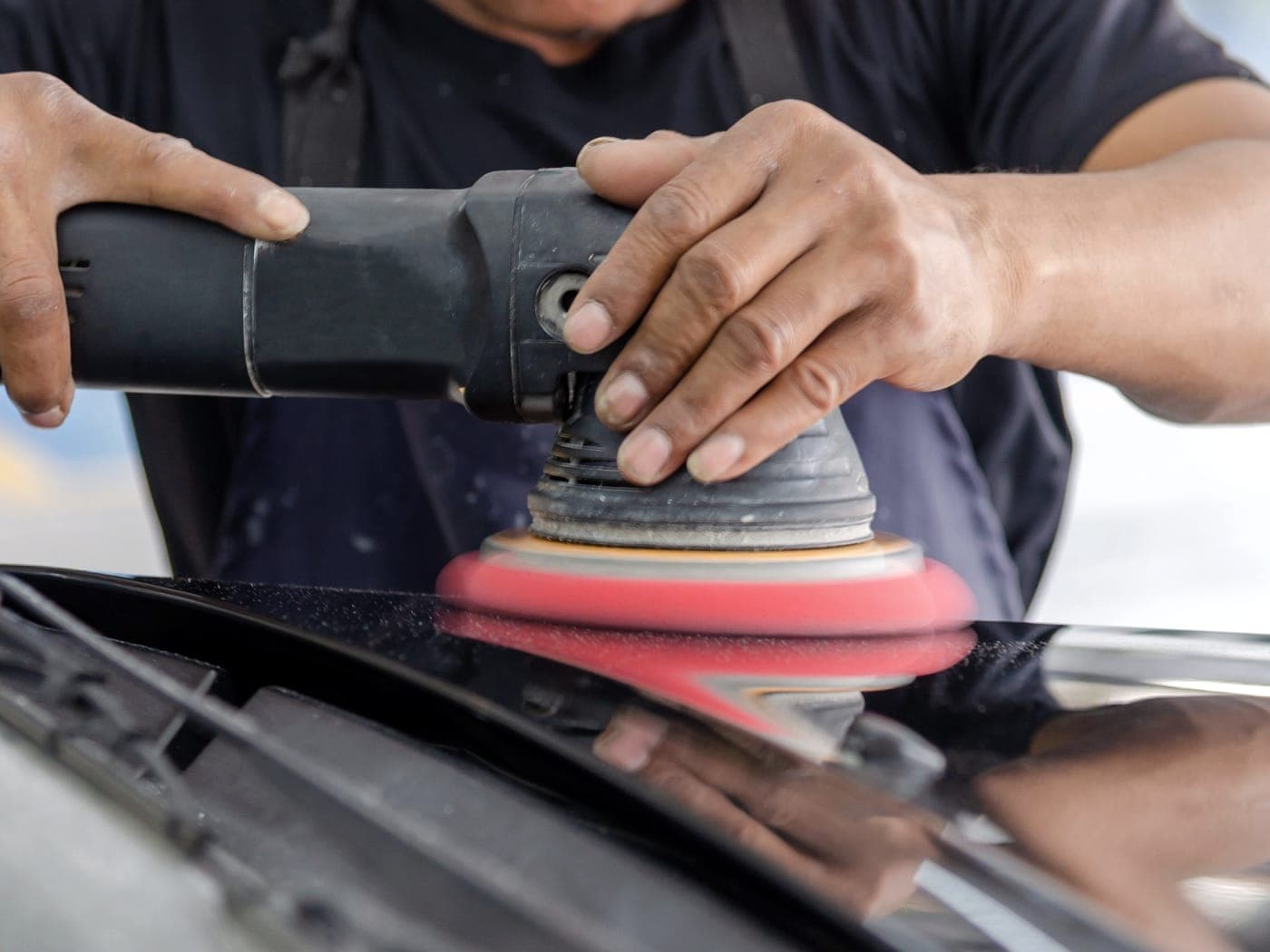
A stage is one pass over the whole car with a particular combination of pad and abrasive. Cutting removes defects and leaves its own fine haze behind. Refining removes that haze and brings the gloss up.
Single stage does both jobs with one compromise product in one pass. Multi stage separates them, so each can be optimized.
What each realistically achieves
Single stage typically removes 60 to 80 percent of light defects. Wash marring goes, most swirls go, deeper scratches stay. It takes a day and it is the right call on a well-kept daily driver where the goal is a clear, honest gloss.
Multi stage adds a dedicated cutting step and then a refinement step, chasing what remains panel by panel. It reaches roughly 90 to 95 percent and takes two to three days. This is the level people mean when they say a car looks better than new.
Nobody honest promises 100 percent. Some defects are deeper than the clear coat can safely give up.
How the decision actually gets made
It is not a taste question. It is a measurement question.
Paint thickness gets read across the car before anything abrasive touches it. A panel that has been corrected three times already may not have a fourth in it, and no finish is worth polishing through to primer. On top of that, defects get mapped under raking light so the pattern is visible: wash marring behaves differently from buffer trails left by a previous shop.
Then comes the test spot. One section is corrected and shown to you on your own paint, under the same light, before the rest of the car is started. If single stage gets you what you wanted, there is no reason to buy the rest.
When to spend the extra two days
Multi stage earns its cost in a narrow set of cases:
- Dark or single-stage paint, where the last few percent is visible in every reflection
- A car going under a ceramic coating that you intend to keep for years
- A vehicle being prepared for sale at the top of its market
- Paint carrying buffer trails from previous poor correction
The finish nobody talks about
After the last pass, panels get wiped with a residue remover. This strips the polishing oils, and it matters more than it sounds.
Oils sitting in the surface make any correction look better than it is. Stripping them means what you approve at handover is bare corrected paint, which is also the only honest basis for deciding whether to go further.